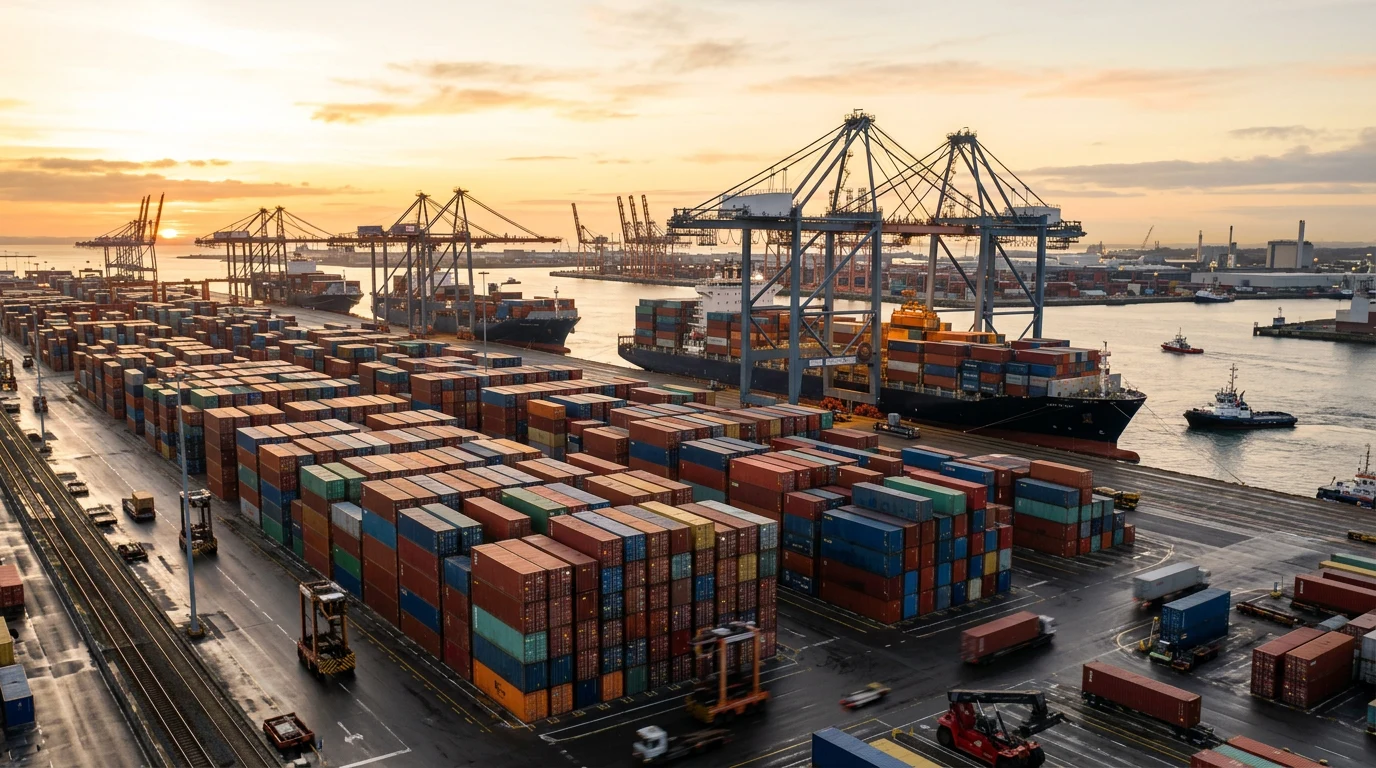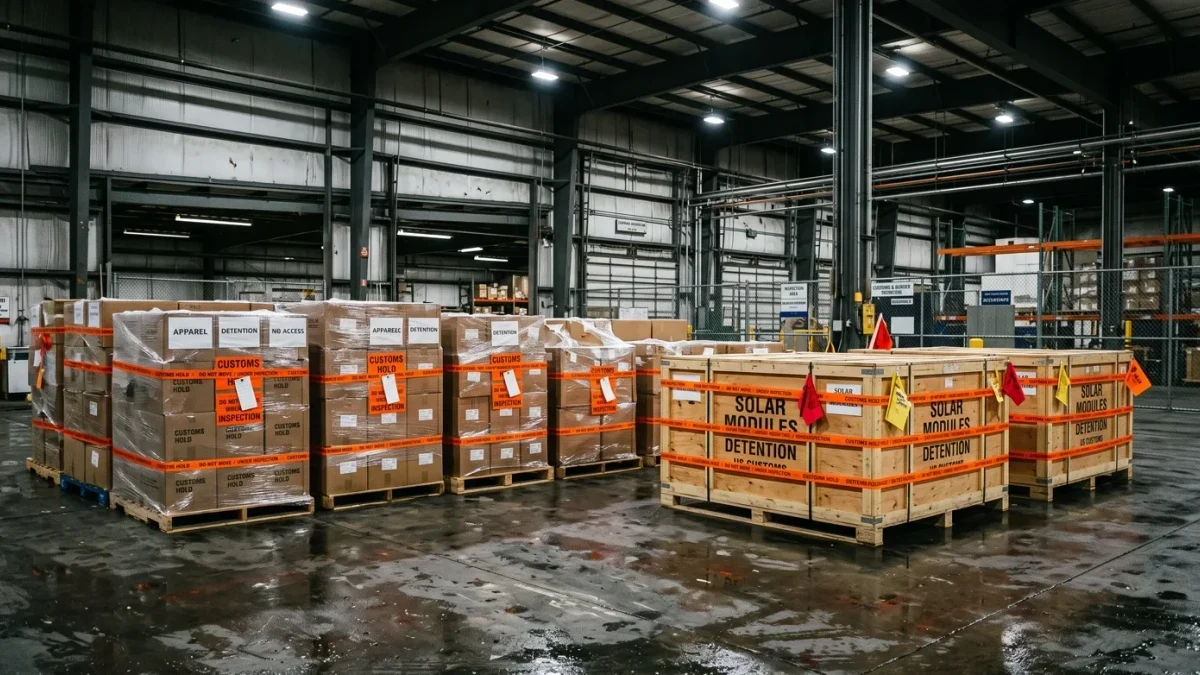
Supply-chain disclosure law has flipped: where importers once had to be caught, several regimes now presume forced labor unless importers prove otherwise. The anchor is the Uyghur Forced Labor Prevention Act, in force since June 2022, which creates a rebuttable presumption that goods mined, produced, or manufactured wholly or in part in Xinjiang — or by entities on the government's Uyghur Forced Labor Prevention Act Entity List — are made with forced labor and barred from U.S. entry under Section 307 of the Tariff Act. Customs and Border Protection has detained thousands of shipments — over 10,000 shipments valued above 3.6 billion dollars by the end of fiscal 2024, per CBP statistics — with solar panels, apparel, and electronics the leading categories. Reliable News publishes information, not legal advice; this explainer maps the regimes importers actually face.
What is the UFLPA presumption and how is it rebutted?
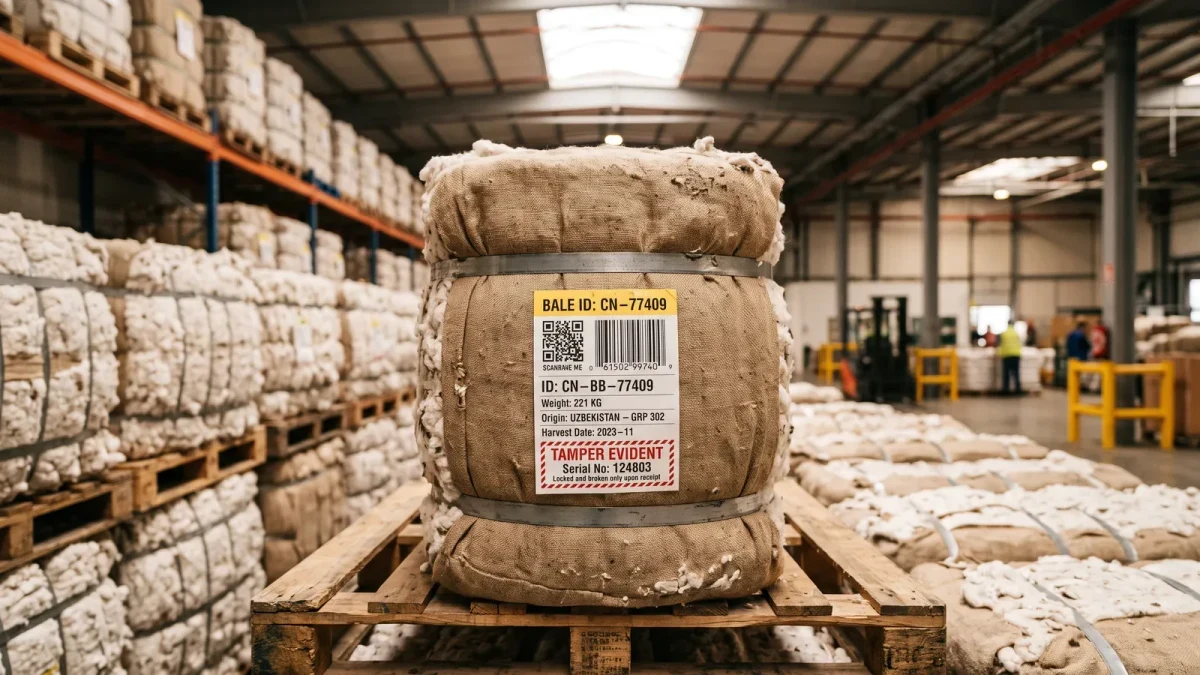
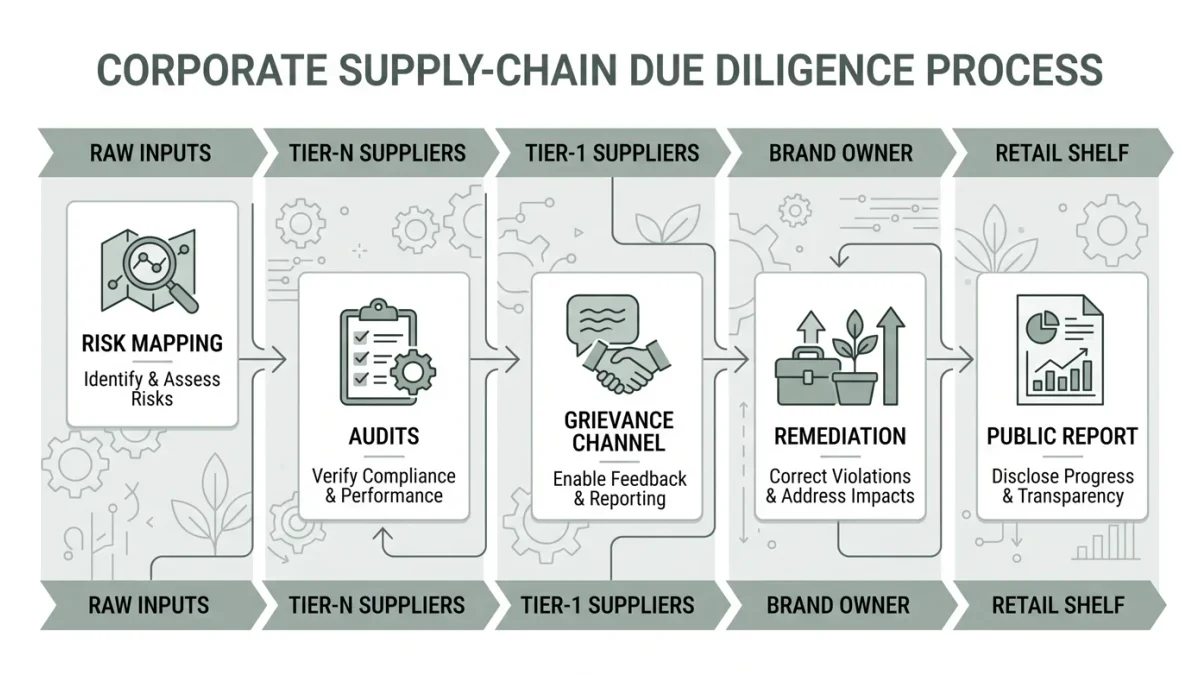
Every import with Xinjiang nexus is presumed barred. The importer's escape is an applicability review or exemption: proving by clear and convincing evidence — the civil law's highest bar — that the goods are force-labor-free via full supply-chain tracing, or that the goods fall within an exception like travel through Xinjiang without sourcing. In practice this means traceability files: purchase orders, production records, isotopic or DNA testing for cotton, polysilicon batch records for solar, mapping every tier to inputs. CBP publishes the evidence expectations, and the Forced Labor Enforcement Task Force's strategy updates — the 2022 through 2024 editions — expanded the entity list from an initial handful to dozens of companies across cotton, polysilicon, tomatoes, apparel, and mining.
What other regimes stack on top?
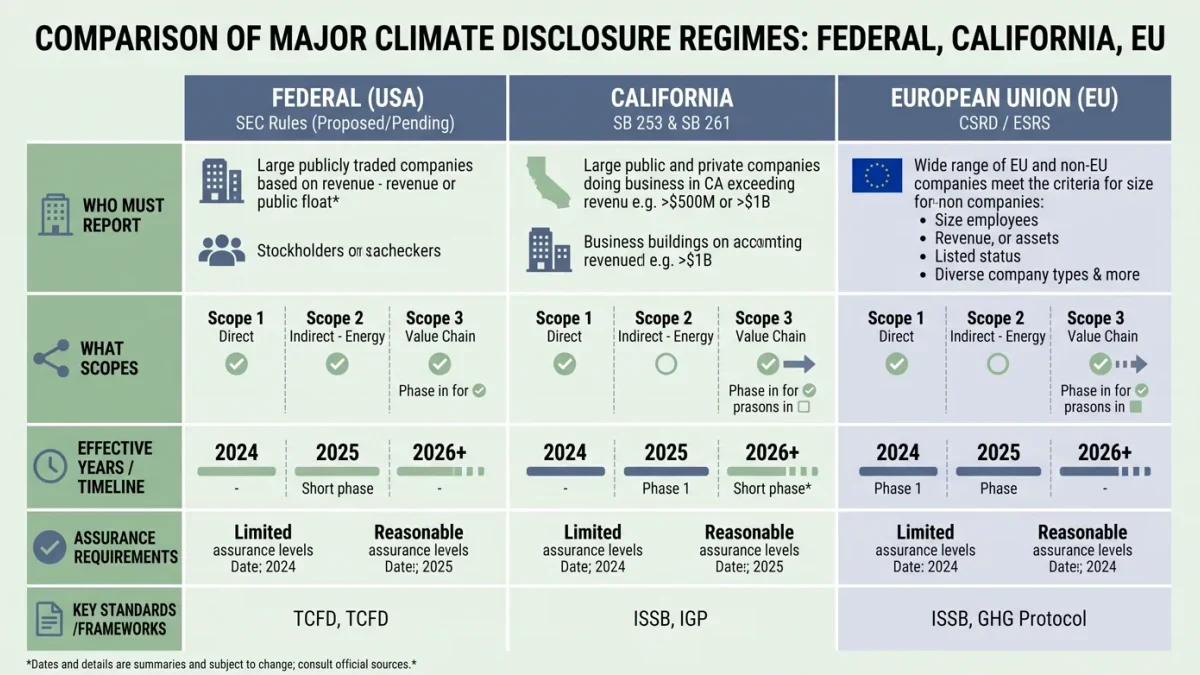
Section 307 itself, which bars forced-labor goods from any origin — the WRO, with detentions rising sharply under UFLPA's sister actions. The conflict-minerals rule — Dodd-Frank section 1502 — requiring listed companies to disclose tin, tantalum, tungsten, and gold diligence for the Democratic Republic of Congo region. The Tariff Act's country-of-origin marking. And the Securities and Exchange Commission's climate and human-capital disclosure agenda, which retreated in 2024 from mandatory scope rules but left California's SB 253-261 and the EU's battery regulation, deforestation rules, and corporate sustainability due-diligence directive reaching U.S. exporters and importers extraterritorially — the patchwork compliance teams actually manage.
What does compliance cost?
The tracing stack: supply-chain mapping software, audits, testing — isotopic cotton origin testing runs per-sample hundreds of dollars, polysilicon traceability requires batch-level records from refineries — and legal reviews of entity-list exposure. The solar industry's 2022-2023 experience set the market's reference: over a thousand shipments of panels and modules detained at ports for months, with gigawatts of project capacity delayed while importers built tracing files; the Commerce Department's parallel circumvention inquiry on Southeast Asian panel producers added tariff risk to the same flows. Apparel and cotton follow: the cotton flow from Xinjiang — roughly a fifth of world supply — makes blended-fabric tracing the industry-wide problem.
Does it work?
Two ledgers. Enforcement yes, by its own measures: detentions in the billions of dollars, entity-list growth, and shifting trade routes — Xinjiang-direct trade collapsed while transshipment through Southeast Asia rose, the re-routing the enforcement task force's own reports document. Prevention contested: academic and journalistic investigations through 2024 documented labor-transfer programs continuing and Uyghur workers relocated to other provinces whose output enters supply chains outside the presumption's bright line; critics on the enforcement side note the clear-and-convincing bar produces long detentions and inconsistent rulings across ports. The importers' complaint is asymmetry: European and Chinese competitors face weaker regimes, a competitiveness argument the EU's due-diligence directive partly answers by matching.
Where is this heading?
Toward mandatory due diligence everywhere: the EU's corporate sustainability due-diligence directive applies from 2027 in phases to large companies with EU turnover; Germany's supply chain act has been enforced since 2023 with its first proceedings public; and U.S. state-level bills — and the federal bills repeatedly introduced to mandate general supply-chain due diligence — keep the format alive. The analysis: the disclosure era's real innovation is burden-shifting — the state no longer proves taint, the importer proves cleanliness — and the operational consequence is that traceability has become a customs document like the invoice: importers without tier-three visibility now lose shipments, not reputations; the open question is whether the regimes converge on shared standards that make one tracing file sufficient, which mutual-recognition talks between CBP and EU authorities have begun exploring. What would change the reading is litigation or legislation collapsing the presumption — challenges so far have upheld it.
Frequently asked questions
What is the UFLPA presumption?
Since June 2022, goods wholly or partly made in Xinjiang or by listed entities are presumed made with forced labor and barred from U.S. entry. Importers can rebut only with clear and convincing evidence through full supply-chain tracing or qualifying exceptions.
What is a CBP detention under UFLPA?
Customs holds the shipment at port while the importer proves clean supply chains. Over 10,000 shipments worth more than 3.6 billion dollars were detained through fiscal 2024, mostly solar panels, apparel, and electronics; goods that fail are re-exported or destroyed.
What must a supply-chain disclosure include?
Depending on regime: country-of-origin and input tracing to raw materials, audits and testing evidence, entity-list screening of suppliers, and board-level diligence statements — the EU directive adds remediation duties and stakeholder engagement requirements.
Do these rules apply outside the U.S.?
Yes — Germany's supply chain act, the EU due-diligence and battery rules, and deforestation regulations reach foreign sellers into those markets, so global exporters now build one tracing file for multiple regimes rather than U.S.-only compliance.