
Topic
What 'Policy' Even Means: From Insurance to Government
The same word covers a tax credit, a password rule and the paper in your desk drawer. That is not sloppy English — the meanings share a history.
The same word covers a tax credit, a password rule and the paper in your desk drawer. That is not sloppy English — the meanings share a history.

The path from risk data to the number on your renewal notice runs through actuaries, state regulators and a filing you can read.

Three statutes written for the age of oil trusts still decide which mergers, prices and deals are legal today.

Most world news in local papers starts life as agency copy. Here is how the supply chain behind the headlines actually works.

A visible corrections policy is not a weakness in a newsroom. It is the cheapest way to find out whether one can be trusted.

A monthly poll of households, built on sampling and weighted questions, has become one of the most watched numbers in finance. Here is how it is made, and why traders care.

A race is called by a private decision desk, not by the government. Here is how the projection actually happens.

Profitable on paper, broke in the bank: how receivables, inventory and seasonal dips decide which companies survive.

A rating is an opinion about the risk that a borrower will not repay. Here is who issues the grades, what moves them, and where the costs land.
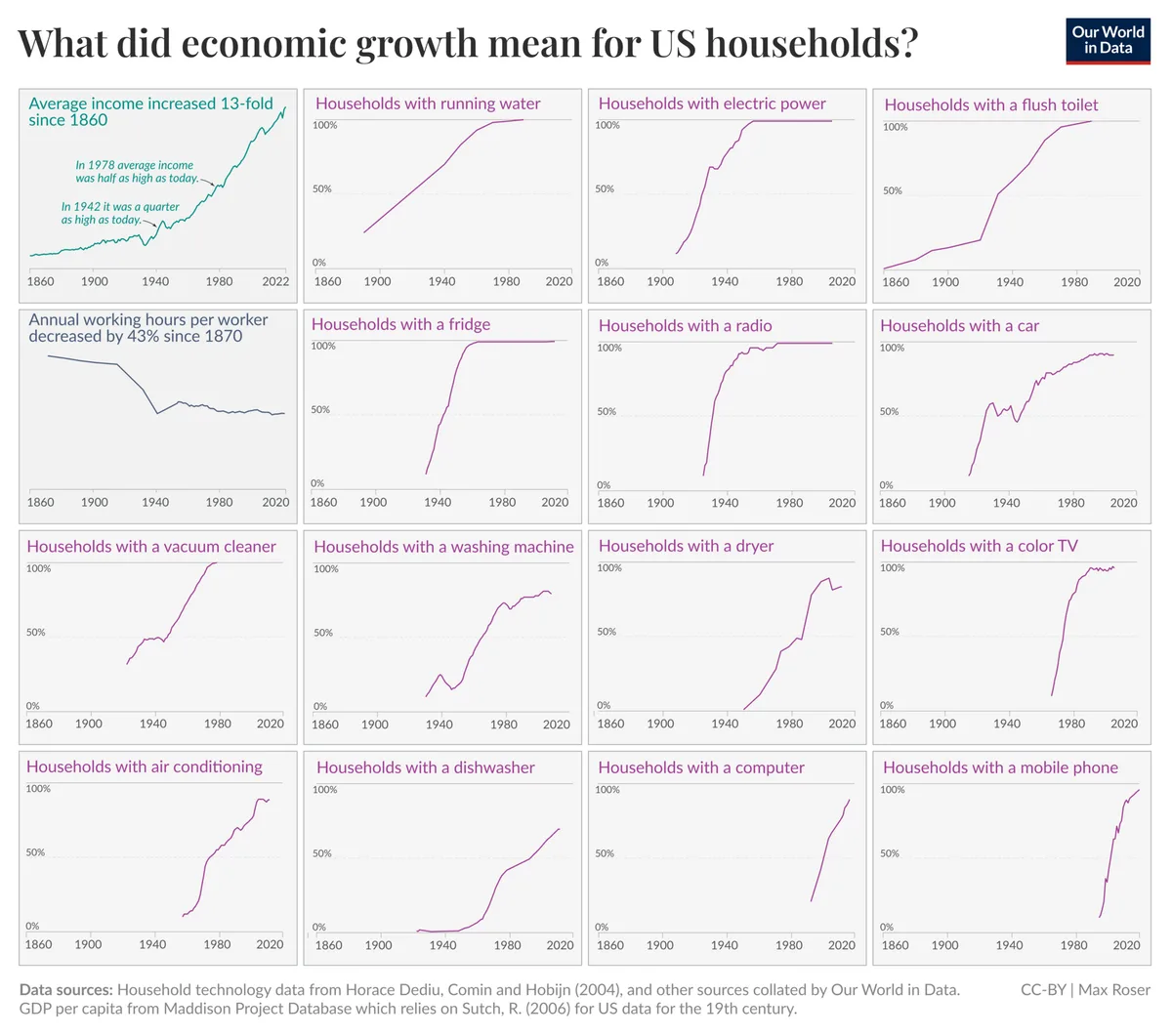
A century-old accounting device built for wartime production still sets the terms of political debate. Knowing its limits matters as much as knowing its level.