When a central bank wants to speed up or slow down the flow of money, it has several tools on the shelf. One of the oldest is the reserve requirement. It sets the minimum amount of funds that commercial banks must hold, and it quietly shapes how much lending can happen across the whole economy.
A central bank is the institution that manages the monetary policy of a country or monetary union, and it also holds regulatory powers over the commercial banks in its jurisdiction. The reserve rule is one of the levers that connect the two roles.
What Banks Must Hold in Reserve
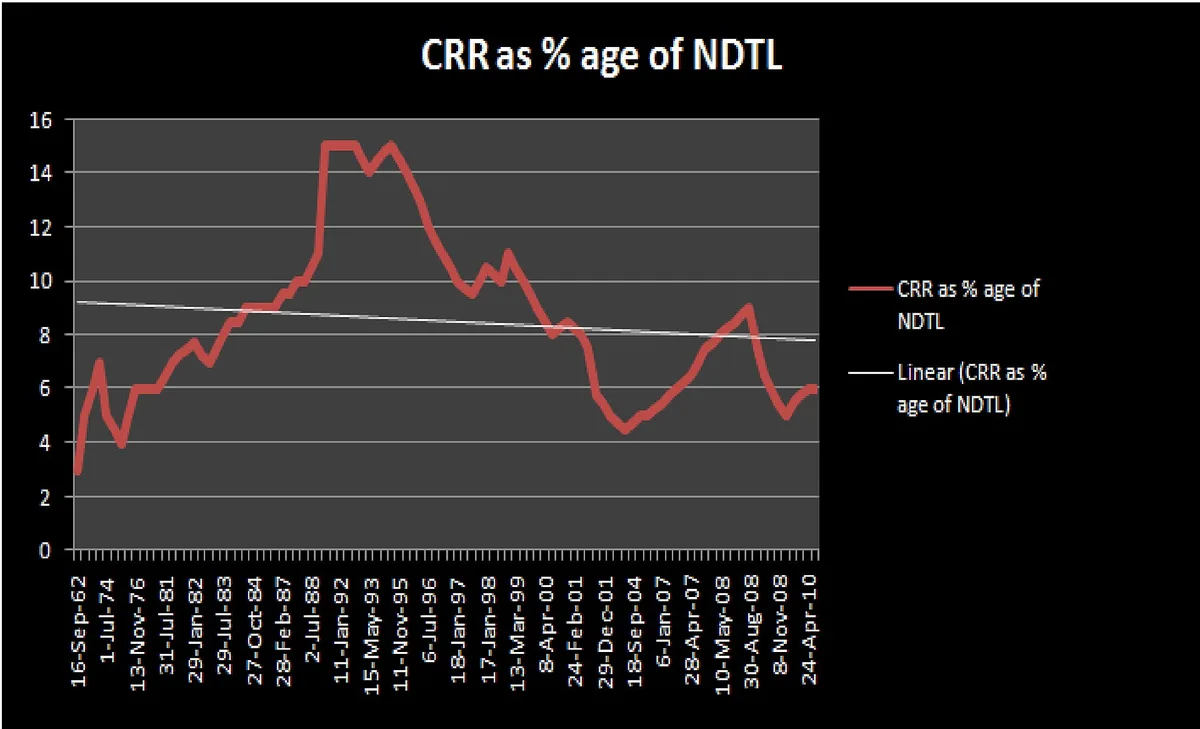
Reserve requirements are central bank regulations that set the minimum amount a commercial bank must hold in liquid assets. The amount is usually a set share of the bank's deposit liabilities. That share is commonly called the reserve ratio or the cash reserve ratio.
Reserves normally take two forms. A bank can hold vault cash, and it can keep a balance in its own account at the central bank. Anything held above the minimum is known as excess reserves. For related coverage, see How a Central Bank Digital Currency Would Change Payments.
The central bank decides the ratio, and the rate differs from country to country. Some systems lean on other tools entirely. Others keep the requirement as an active dial for credit. The details vary, but the core idea holds: a floor under cash.
Why the Rule Exists
Under fractional reserve banking, banks do not keep enough cash on hand to cover every deposit at once. They rely on the fact that all customers will not withdraw their money on the same day. The reserve rule is one way that regulators keep that system steady and keep public confidence in it.
Problems start when many depositors pull money out at once. A bank can face a shortfall, and in a worst case a bank run. A bank in trouble may borrow short term from other banks with surplus funds. In severe cases, the central bank steps in as lender of last resort to cover the gap.
Public confidence is the quiet asset here. People leave deposits in a bank because they expect the cash to be there when asked. Rules that force banks to hold liquid assets support that expectation. They do their work before trouble starts, not after.
How the Requirement Moves the Money Supply
The logic runs through lending. With higher reserve requirements, banks have less money available to lend out. Less lending means less new money created as loans are made and redeposited. Lower requirements work in the other direction and free up funds for credit.
In practice, the tool is used with care. An abrupt change can cause liquidity problems for banks with thin buffers, so monetary authorities usually prefer other instruments for day to day policy. In many countries the ratio is rarely moved, though a handful of economies do adjust it more often as an active policy lever. We covered a connected angle in The WTO Cut Its 2025 Trade Forecast. The Numbers Matter More Than the Headline.
The textbook version of this process is neat. Many books describe a fixed ratio that multiplies deposits into money across the system. Reality is messier. Banks manage their buffers daily, and other policy tools do much of the heavy lifting in modern systems.
Some countries have set the rule aside for now. In the United States, the Federal Reserve cut its reserve requirement ratios to zero in March 2020, which removed the requirement for all depository institutions. The tool still exists, and other central banks keep it in active use.
Conclusion: A Quiet but Powerful Rule
The reserve requirement looks like a dry accounting rule, but it sits at the base of how money moves. It sets a floor under bank liquidity, buffers the system against runs, and adjusts the amount of credit that banks can create. Other tools may get the headlines, yet this one still shapes how much money circulates in the economy, and it costs nothing to enforce.