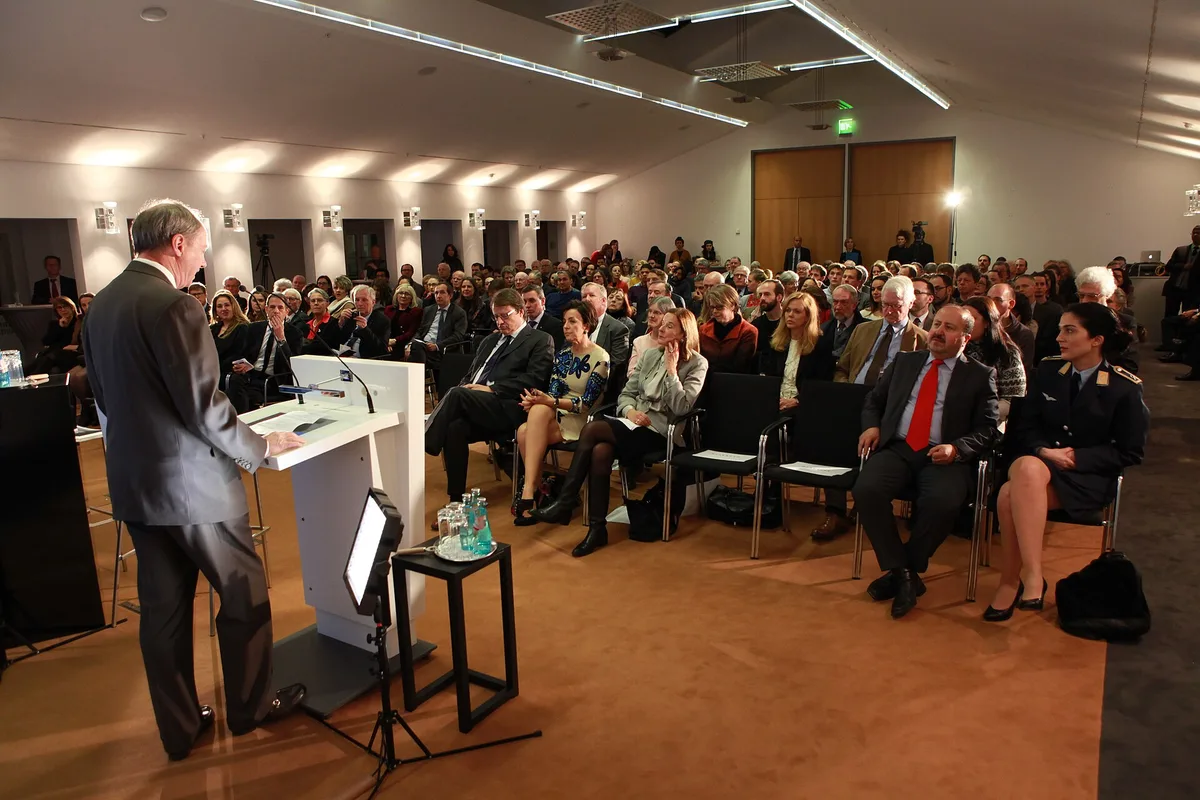
What does an embassy do? It is a country's permanent outpost in another capital, and visas are only its most visible product. An embassy reports on politics and the economy in the host country, promotes trade and investment, helps citizens in trouble, and keeps a standing channel open for the quiet negotiations that rarely reach the news.
The distinction matters for readers who picture a visa queue and nothing more. Consulates handle much of the paperwork in big cities, while the embassy in the capital carries the full diplomatic job: representation, negotiation, analysis and crisis work. As CareerExplorer describes the profession, a diplomat is a government official who represents the country's interests and promotes its policies abroad, posted to embassies or consulates to negotiate agreements on trade, security and other issues.
What does an embassy actually do all day?
The daily work falls into a handful of recurring functions, and CareerExplorer's occupational profile lists them plainly: representation at international forums, negotiation on the country's behalf, advocacy of its policies, and analysis and reporting back home. That last one is easy to overlook. Embassy staff watch elections, budget fights, regulatory changes and public opinion in the host country, then send governments an accurate and timely picture with recommendations attached.
There is also protocol, the formal etiquette of state relations, and cultural exchange: exhibitions, educational programs and events that build ties between the two publics. None of it is glamorous. Most of it is meetings, drafting and follow-up. The point of having the post in-country is that a resident official reads the host capital's mood far earlier than a visiting delegation can.
Who works inside an embassy?
Ambassadors lead the mission as the highest-ranking representative, responsible for political, economic and cultural relations between the two countries, per CareerExplorer's typology. Below them sit foreign service officers, and specialists in named lanes: political, economic, military and cultural attaches, plus consuls who run the citizen-facing and visa work, often in separate consulates.
The division of labor matters because the jobs pull in different directions. An economic officer may spend the week shepherding a business delegation while the political section drafts a report on a coalition crisis and the consular section handles an arrested citizen. One roof, several employers' worth of work, all reporting to the ambassador.
How does the trade and investment work function?
Economic diplomacy is the least dramatized part of the job and often the most measurable. CareerExplorer describes economic diplomats as officials who promote their country's economic interests abroad, negotiating trade agreements and investment deals and helping businesses find partners in the host market. In practice that means market briefings for exporters, introductions for investors, and advocacy when a local regulation threatens a home-country firm.
This is where the embassy connects directly to household outcomes. A tariff dispute settled between capitals, a procurement rule clarified, a visa regime eased for business travel: each starts as a file on an economic officer's desk. Readers who follow the trade side of policy can trace how these files become the flow of goods and prices covered in our geoeconomics section.
What happens when a citizen is arrested or a crisis hits?
Consular protection is the emergency function, and it is governed by limits that surprise many travelers. An embassy can visit detained nationals, contact family, help find a lawyer and check that treatment meets local law. It cannot get a citizen out of a jail term or pay their legal bills. We cover the mechanics and the limits in detail in How Consular Protection Works for Citizens Abroad.
In larger crises, natural disasters, political upheaval or attacks, CareerExplorer notes that diplomats manage the response alongside local authorities and other missions, working to secure nationals and interests. That work scales fast: evacuation lists, emergency messaging, liaison with the host government. The coordination behind such episodes is the same machinery examined in How Governments Handle Crises Behind Closed Doors.
Where does the quiet negotiating happen?
The most consequential embassy work is often the least visible. A resident ambassador has standing access to the host government's ministries, so disagreements can be raised early and privately, before they harden into public disputes. CareerExplorer's profile puts negotiation and advocacy at the center of the role: building relationships with counterparts and persuading them toward the home country's position on trade, security and human rights.
Popular culture compresses all of this into crisis meetings. The Netflix series The Diplomat is a useful counterpoint, because its creators deliberately went the other way: as What's on Netflix reports in its production coverage, the writers' room consults diplomats, embassy staff and political historians to keep the institutional detail realistic, favoring quiet political maneuvering over spectacle. The real version has less shouting and more reporting cables.
What this means for readers
Our analysis: treat an embassy as a country's permanent listening post with a service counter attached. The visa window is the interface most people meet, but the load-bearing work is informational and relational, reading the host capital and keeping channels open. That is why governments treat embassy postings as sensitive appointments, and why a mission's size and staffing tell you something about how much a country cares about a given relationship.
Two boundaries are worth keeping in mind. First, embassies and consulates split the work geographically, with the embassy holding the political relationship and consulates carrying the citizen services; the split is explained in How Embassies and Consulates Divide Their Work. Second, the people inside carry protections that shield the mission, not the visitor; the scope is set out in What Diplomatic Immunity Actually Covers. Knowing both boundaries changes how much weight any embassy announcement should carry.
The evidence here establishes the functions and their limits. What it cannot settle is performance: how well any given mission reports, negotiates or serves its nationals varies by country and by posting, and that remains largely unseen from outside the building.