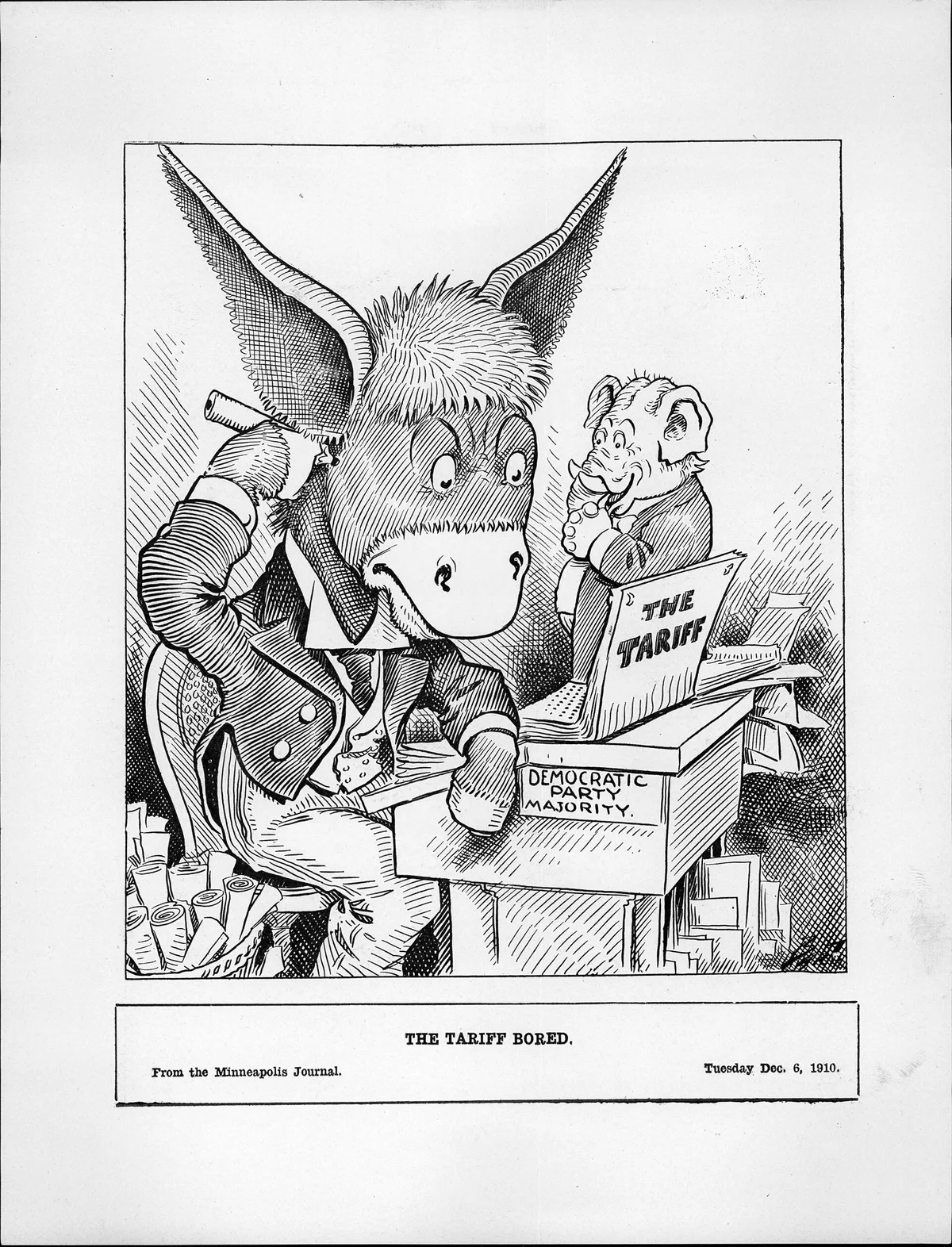
A tariff schedule is the government's price list for imports. It sorts every product anyone might ship across a border into categories, assigns each category a duty rate, and lets customs officers apply that rate to whatever arrives. When a shipment comes in, the rate attached to its code determines the tax the importer owes before the goods can move.
That tax rarely stays with the importer. Businesses that pay duties on parts, food, or finished goods build the cost into their prices, so the schedule reaches shoppers even though consumers never file customs paperwork. Understanding how the codes work explains why two nearly identical products can carry different price tags. We covered a connected angle in How Friendshoring Is Rewriting Global Supply Chains.
Imports are the transactions that make all of this necessary. According to Wikipedia, importation and exportation are the defining financial transactions of international trade, and the jurisdictions involved may impose a tariff on the goods, with import quotas and customs mandates limiting them as well. The United States is described as the world's largest importer, spending $15 trillion on imported goods from 2016 to 2021. A market that size means the schedule touches an enormous range of products.
How does a product get its tariff code?
Classification starts with the product itself. Customs authorities organize goods into headings and subheadings based on what an item is made of, what it does, and how it is finished. A knitted cotton shirt does not sit in the same line as a woven one, and a machine part may be classified by its function rather than its material. The importer, usually through a customs broker, declares a code for each item on the entry.
The declared code is a claim, not a conclusion. Customs can review it, challenge it, and reclassify the goods. When the two sides disagree, the dispute is usually about which description fits the product best, because each line carries its own rate. A reclassification can raise or lower the bill after the goods have already arrived.
The analysis: classification is where trade policy becomes concrete. A government can shift the burden on a product without changing the headline tariff rate at all, simply by tightening how a category is read. What would change that reading: a binding ruling or court decision that fixes how the disputed language applies.
How does a code turn into a price?
Once a code is set, the rate lookup is mechanical. The schedule lists a rate for each line, and the importer applies that rate to the declared value of the goods. Many lines carry additional conditions, such as preferential rates under trade agreements between the importing and exporting jurisdictions, which Wikipedia identifies as one of the limits shaping how goods move.
Importers then calculate landed cost: the price paid to the supplier plus freight, insurance, duties, and fees. The duty line comes straight from the schedule, so a change in a rate flows directly into that calculation. A small business importing kitchen knives, for example, pays the duty on each shipment through its carrier before resale, as reporting collected by Dictionary.com's news examples describes for one importer who paid tariffs on shipments through major parcel carriers.
Practical steps for anyone importing: confirm the code in writing before ordering, ask whether a preferential rate applies, and price the duty into your landed cost before you set a retail price. The schedule is public, so you can check the rate yourself rather than taking a supplier's word for it.
Who actually pays the duty?
Legally, the importer of record pays. Economically, the burden spreads. An importer facing a duty can absorb it, renegotiate with the foreign supplier, switch products, or pass the cost to customers. Which of those happens depends on margins and competition, not on the schedule itself.
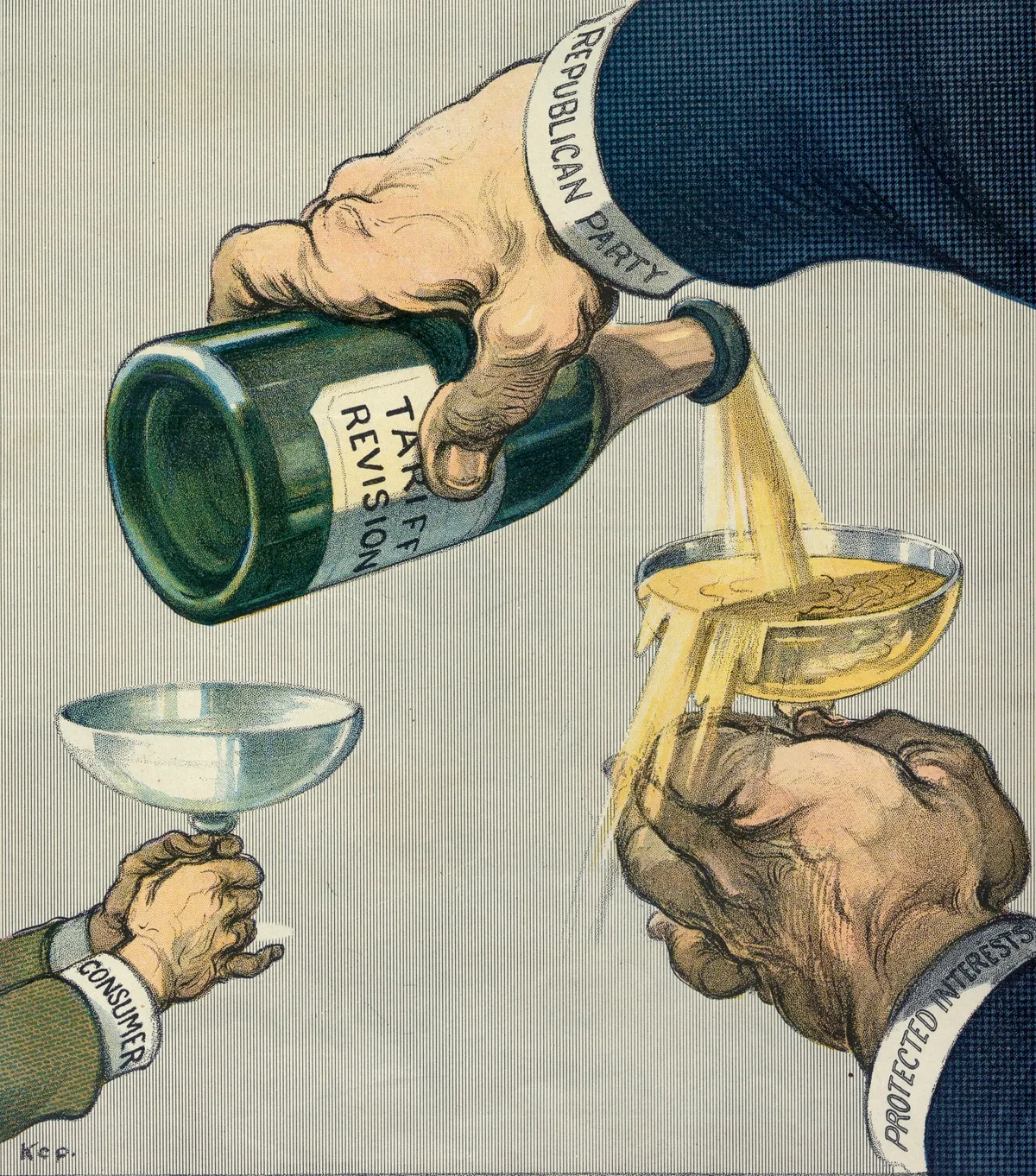
That is why the same rate change produces different outcomes across products. Where a domestic alternative exists, importers often push the cost back onto suppliers to stay competitive. Where the imported good has no substitute, the cost tends to move toward the shopper. The schedule sets the size of the bill; the market decides who carries it.
What this means for readers: when a price on an imported good rises and the reason is a tariff, the schedule is the paper trail. The code, the rate, and the effective date are all public records you can look up.
Why do classification disputes matter?
Disputes matter because the stakes are the difference between two rates. Importers contest reclassifications through administrative protest and, where needed, litigation. Customs agencies issue binding rulings so importers can know the treatment in advance. The system exists to keep the schedule from being applied unpredictably.
For consumers, these fights are invisible until they show up in prices or product availability. A ruling that moves a popular product into a higher-rate category can change what retailers stock. The schedule is administrative machinery, but its output is consumer prices.
Where does this fit in trade policy?
Tariff schedules are the base layer of economic statecraft. Sanctions, quotas, and antidumping measures all operate on top of the classification system, since a measure must name the goods it covers. Our guide to how economic sanctions actually work covers one of those layers, and friendshoring is rewriting global supply chains in ways that change which schedules matter most.
Trade deficits sit in the same picture. Wikipedia notes that a trade deficit occurs when imports exceed exports, and that most economists argue it is wrong to assume a deficit is automatically harmful. The schedule does not aim to eliminate deficits; it prices specific goods. Judging any tariff change means looking at the affected codes, not the headline trade number.
For more on how governments use trade as policy, see our geoeconomics section, and for the wider policy frame, our policy coverage.
What should you take from the schedule?
The record supports a plain conclusion: tariff schedules determine import costs through classification, not through rhetoric. A product's code fixes its rate, the rate feeds landed cost, and landed cost shapes shelf prices. Disputes over classification are really disputes over money, resolved through rulings and review rather than negotiation at the border.
What remains unknown in any given case is the final burden. Whether a duty lands on the importer, the supplier, or the shopper is an economic outcome the schedule itself cannot settle. Check the code and the rate before you assume a price change has any other cause.