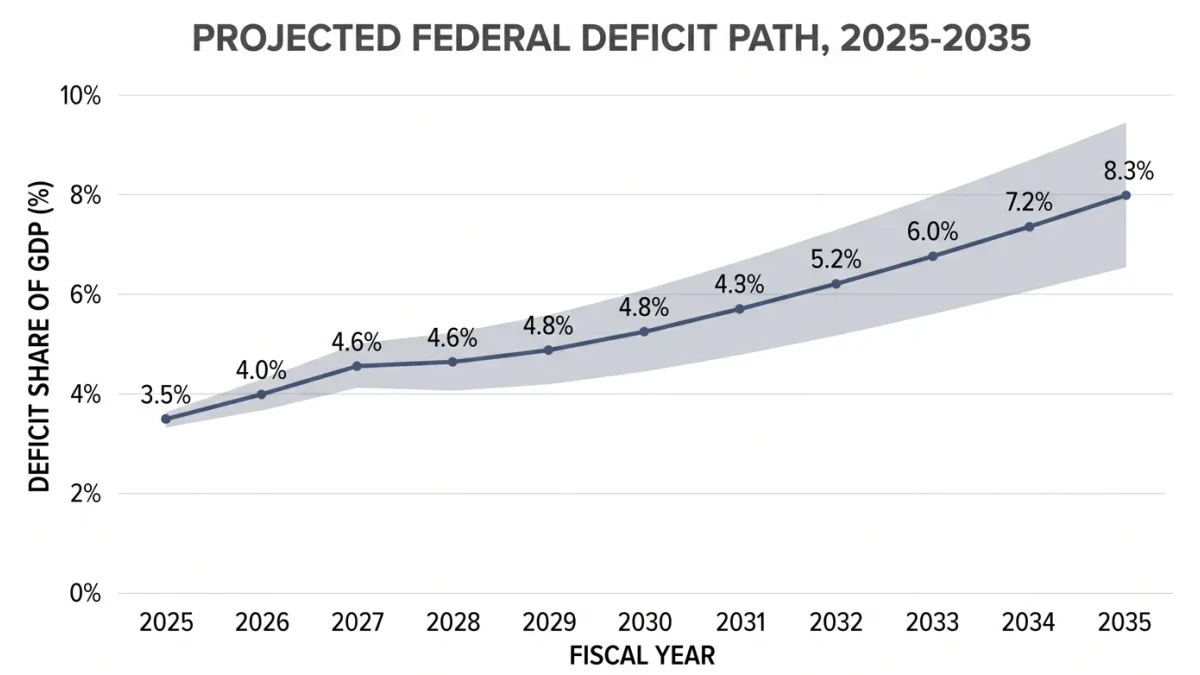
The Congressional Budget Office is Congress's nonpartisan fiscal scorekeeper: it estimates what bills will cost or save, projects the budget and economy, and reviews programs' performance. Created by the Congressional Budget Act of 1974, it publishes its ten-year baseline twice a year — the spring 2025 version showed a projected federal deficit of about 1.9 trillion dollars for fiscal 2025 — and every estimate carries its numbers, method, and date. Reliable News publishes information, not policy advice, and this piece describes the office as its statute and practice define it.
Why does Congress even need its own scorekeeper?
Because before 1974, the executive branch's Office of Management and Budget was the only source of budget numbers, and lawmakers wanted an independent counterweight to presidential estimates. The Congressional Budget Act created both CBO and the House and Senate Budget Committees in the same reform. The office answers to Congress alone: its director is chosen jointly by the Speaker and the Senate president pro tempore for a four-year term, and its roughly 250 analysts are hired for technical competence, not political profile.
What is a cost estimate, and what is it not?
When a committee reports a bill, CBO produces a formal score — how it changes outlays, revenues, and the deficit over ten years, with the date and assumptions attached. Scores drive procedure: under pay-as-you-go and the Byrd rule, a bad score can make provisions ineligible for reconciliation or trigger automatic cuts. A score is not a verdict on whether a bill works. It estimates budgetary effects under stated assumptions, and CBO publishes its forecasting record — its January 2025 evaluation of outlay projections found errors averaging within about 2 percent of actual outlays after one year — so the public can judge the track record rather than take it on faith.
How does the baseline work?
Twice a year, CBO rebuilds a ten-year projection of spending, revenues, deficits, and debt under current law, which by convention assumes expiring provisions actually expire — a rule that regularly produces the debate over whether extending tax cuts costs money, since baseline treats expiration as law. The June 2025 baseline update put debt held by the public on a path toward roughly 100 percent of gross domestic product by the late 2020s under its stated assumptions. Baselines are estimates about a specified scenario, not predictions of what Congress will do, and CBO says so in every document.
What does CBO do beyond the big numbers?
Its analyses span three other shelves. Economic projections accompany the baseline and feed the revenue and outlay forecasts — the same documents that the Federal Reserve and market analysts read for a second opinion. Analytical studies, requested by committees or the leadership, examine specific programs, from veterans' health caseloads to flood insurance exposure. And cost estimates for mandates under the Unfunded Mandates Reform Act tell state and local governments what a bill would impose on their budgets. Every product carries its number, method, and date.
Why do both parties get angry at it?
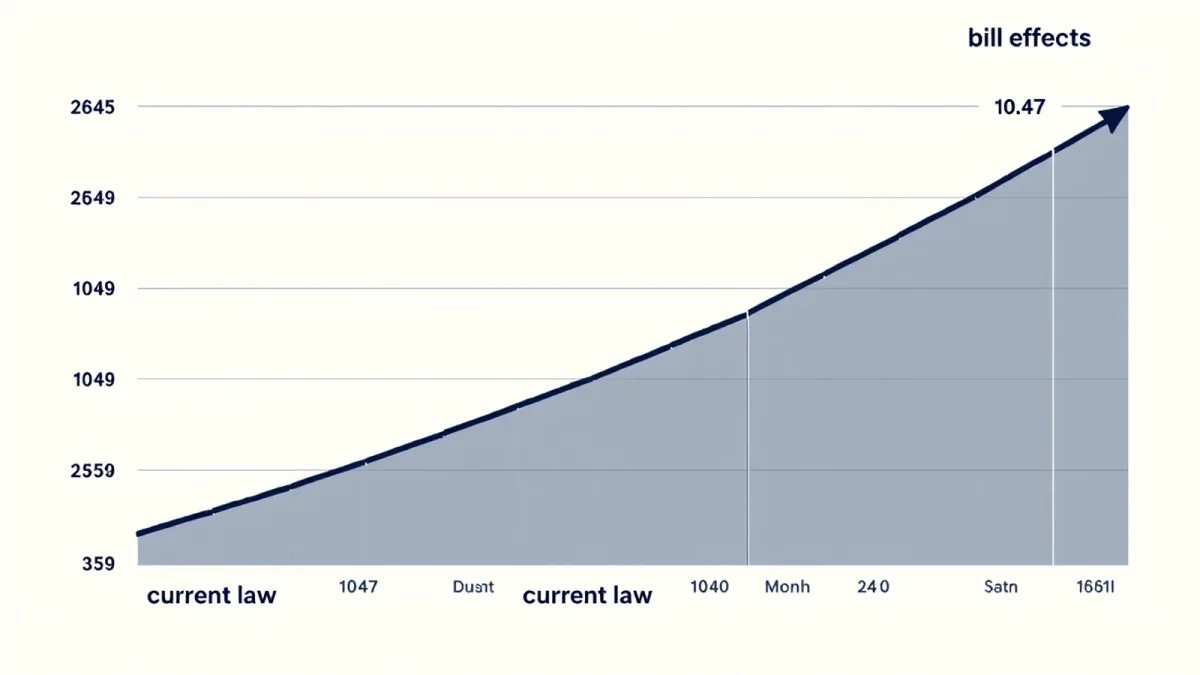
Because its function is to attach numbers to promises. When CBO estimated in May 2025 that the House reconciliation bill would reduce deficits by roughly 1.3 trillion dollars over ten years while leaving about 10.5 million more people without health insurance by 2034 relative to projections under prior law, the coverage fight was about the coverage number and the deficit number came from the same document. Defenders of a bill dispute the score; opponents quote it. The office's protection is procedural: it does not recommend policy, it publishes its methods, and Congress can overrule its math only by changing the assumptions in writing.
What are the honest limits of the job?
Dynamic analysis of macroeconomic feedback remains contested ground, though CBO now includes it for major legislation as standard practice. Long-horizon uncertainty compounds — a ten-year revenue projection published in 2026 will absorb policy changes no forecaster can list. And the current-law convention makes some scores look strange to lay readers, as with expiring tax provisions. The analysis: CBO's value is less in point estimates than in making fiscal claims falsifiable — every number can be checked against an eventual Treasury statement, and the office's published error history is what sustains its standing. What would change this reading is sustained evidence of methodological drift under political pressure, which its published revisions have not shown to date.
Frequently asked questions
Who controls the CBO?
Congress does. The director is appointed jointly by the House Speaker and Senate president pro tempore to a four-year term, and the office serves the legislative branch rather than the president. OMB, by contrast, sits inside the executive branch and answers to the White House.
Can Congress ignore a CBO score?
Yes, politically; no, procedurally. A chamber can pass a bill regardless of the estimate, but rules like pay-as-you-go and the Byrd rule make scores binding constraints in reconciliation and points of order. Ignoring a score usually requires waiving rules by vote.
How accurate are CBO forecasts?
CBO publishes retrospective analyses of its own errors. Its January 2025 report found one-year outlay projections average within about 2 percent of actuals, with revenue errors larger because they track the economy's swings. The error record, not the point estimates, is the fair test.
Does CBO take a position on bills?
No. Its statute and practice bar policy recommendations. It states budgetary and economic effects under stated assumptions, and its analyses describe options in neutral terms. Advocates on both sides cite the numbers selectively, which is politics, not CBO.