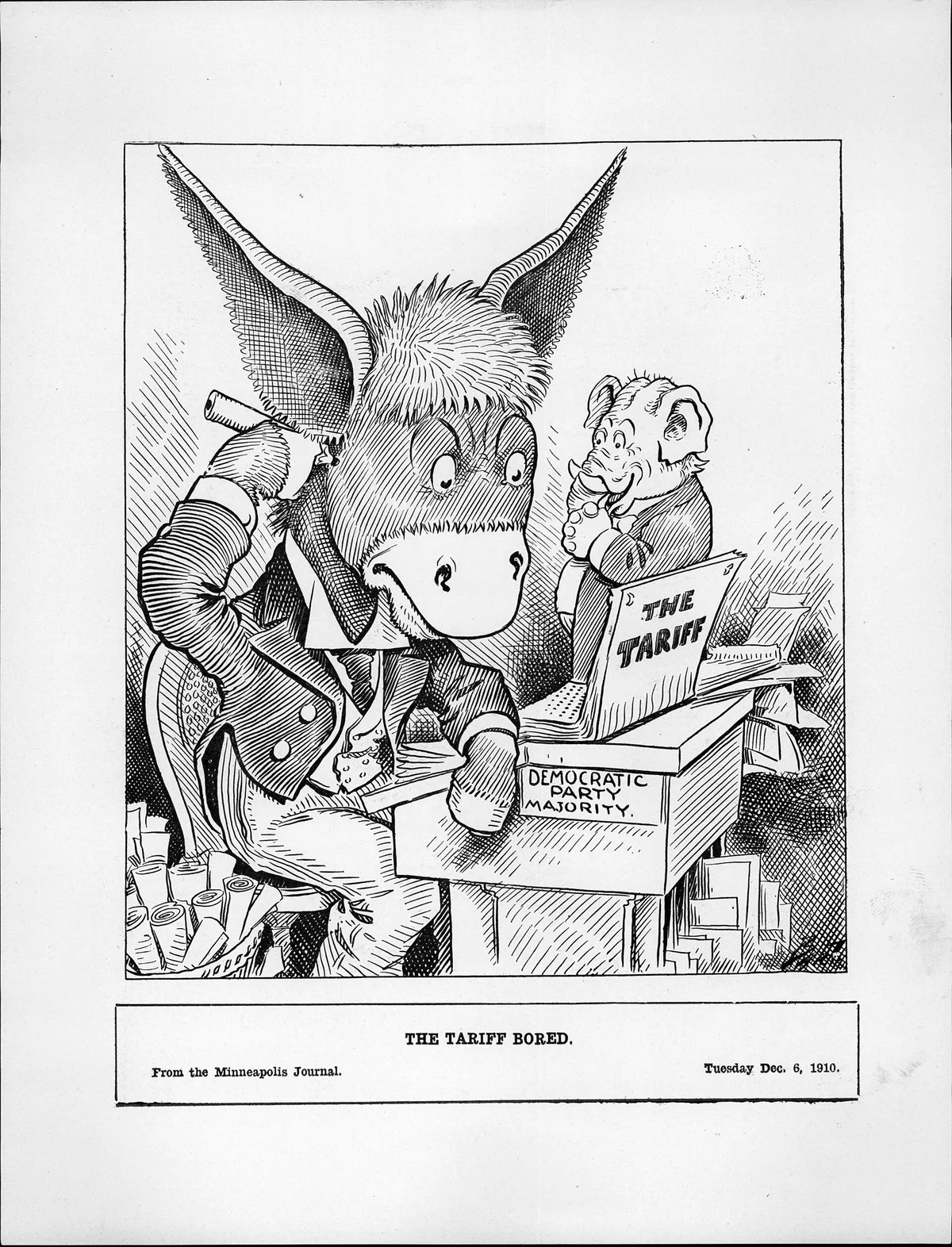
Trade adjustment assistance is a federal program that pays for retraining, wage support, and job-search help for workers who lose their jobs because of imports or offshoring. It is the United States' main promise that people harmed by open trade get help, not just the industries that benefit from it. There is one qualification readers need up front: the program lapsed in 2022 and has not been reauthorized.
That lapse matters. Since the program ended, roughly 200,000 displaced workers have had to rely on state benefits, unions, or nothing at all, according to a report from CounterPunch published by the Independent Media Institute. This explainer covers how trade adjustment assistance worked, who qualified, how workers applied, and where the program stands now.
What is trade adjustment assistance?
Trade adjustment assistance, usually shortened to TAA, is a federal benefit program for workers displaced by foreign trade. The logic is straightforward: trade policy is set in Washington, so workers whose livelihoods disappear under that policy get a federal backstop. The program is decades old and, per the CounterPunch report, was widely respected across the labor movement before its funding lapsed.
The program sits inside a broader toolkit of trade policy. Tariffs, quotas, and export controls all redistribute economic pain in different ways, as we covered in How Tariff Schedules Decide What You Pay. TAA is the compensating side of that ledger — it does not block imports, it helps the people the imports displaced.
Who qualified for TAA benefits?
Eligibility was not automatic for anyone who lost a job. A group of workers had to be certified as a trade-affected group, which meant showing that increased imports or a shift of production to foreign countries contributed to their layoffs. Certifications covered workers at a specific firm or in a specific industry, so a steelworker and a call-center employee faced different certification paths.
The CounterPunch report describes the reach of the program across sectors: farming, glass, mining, steel, and tires all had workers who used it. One illustration comes from Minnesota's Iron Range, where about 600 union miners laid off by Cleveland-Cliffs have pieced together support without the program. The miners produce taconite — iron ore used in steelmaking — for an auto industry affected by trade disputes, exactly the kind of indirect trade exposure the program was built to catch.
Under the most recent reauthorization effort, the eligibility net would have widened further. Legislation introduced by U.S. Representative Linda T. Sánchez in March 2026 would extend coverage to public sector workers whose jobs are outsourced by state or local governments to foreign companies, per the same report.
What benefits did the program actually provide?
TAA was more than a check. The benefits package covered several distinct needs:
- Retraining and apprenticeships, including tuition for education programs.
- Support costs that make retraining possible — books, mileage, and childcare expenses.
- Job search and case management services.
- Relocation expenses for workers who needed to move for new work.
- Temporary wage support when a new job paid less than the one that was lost.
The wage insurance piece deserves attention. A worker who took a lower-paying job after displacement did not simply absorb the full pay cut; the program bridged part of the gap temporarily. That design pushed people back into work quickly while cushioning the loss, which distinguished TAA from plain unemployment insurance.
Did it work? The evidence the report cites is a 2018 study by a researcher who worked at the Federal Reserve Bank of New York. Workers who received TAA assistance earned $50,000 more over 10 years than peers without access to the program, with gains attributed to both higher incomes and greater labor force participation. That figure is the strongest quantitative case the program's defenders carry.
How did workers apply, and who ran the program?
Administration ran on two levels. The Department of Labor set the rules, oversaw the certification of trade-affected worker groups, and funded the program federally. State agencies handled the front line — workers petitioned for certification and applied for benefits through their state workforce agency, which also delivered the retraining and case-management services.
In practice, unions often did much of the legwork. The CounterPunch report follows Al King, president of United Steelworkers Local 6511, who spent a year helping laid-off miners secure a 26-week extension of state unemployment benefits and search for training and part-time work. With TAA gone, that ad hoc advocacy substitutes for what a structured federal-state pipeline once delivered.
Why did the program lapse, and what happens now?
Congress allowed the program to end in 2022, and reauthorization has stalled since. The report attributes the stall to a Congress with few shared positions on international trade, even as a reestablishment bill gathered co-sponsors in 2026. The program's defenders argue it more than paid for itself by sustaining families and stabilizing manufacturing communities; opponents have historically questioned its cost and effectiveness. The record on reauthorization is unsettled.
The analysis: TAA's fate tracks a real tension in trade politics. Tariff fights dominate headlines because they are visible and immediate, while the compensation side of trade policy — the part that makes liberalization politically sustainable — is quiet, technical, and easy to let lapse. What would change this reading is a reauthorization vote: if Congress restores the program, the lapse becomes a temporary gap rather than a structural retreat from worker compensation.
For readers following the broader picture, the lapse sits alongside other shifts in how governments manage trade's winners and losers — from subsidy races covered in Geoeconomics coverage to the bloc politics in Trade Blocs Explained: Unions, Agreements, and Single Markets. The throughline is the same: trade policy creates concentrated losses, and whether governments compensate them is a policy choice, not an accident. We covered a connected angle in Trade Blocs Explained: Unions, Agreements, and Single Markets.
What should displaced workers do in the meantime?
Until reauthorization, the practical options are the ones the Iron Range example shows: state unemployment benefits and their available extensions, union-negotiated support, state workforce programs, and employer or community-based retraining efforts. None of these replicate the full TAA package — particularly the wage support and relocation benefits — so affected workers should treat the current landscape as patchwork. This article describes the program as the record shows it operated; anyone facing a layoff should confirm current eligibility rules with their state workforce agency, since program status can change.
The evidence here establishes what the program did, who it reached, and that it stopped. What remains unknown is whether Congress restores it, and on what terms.