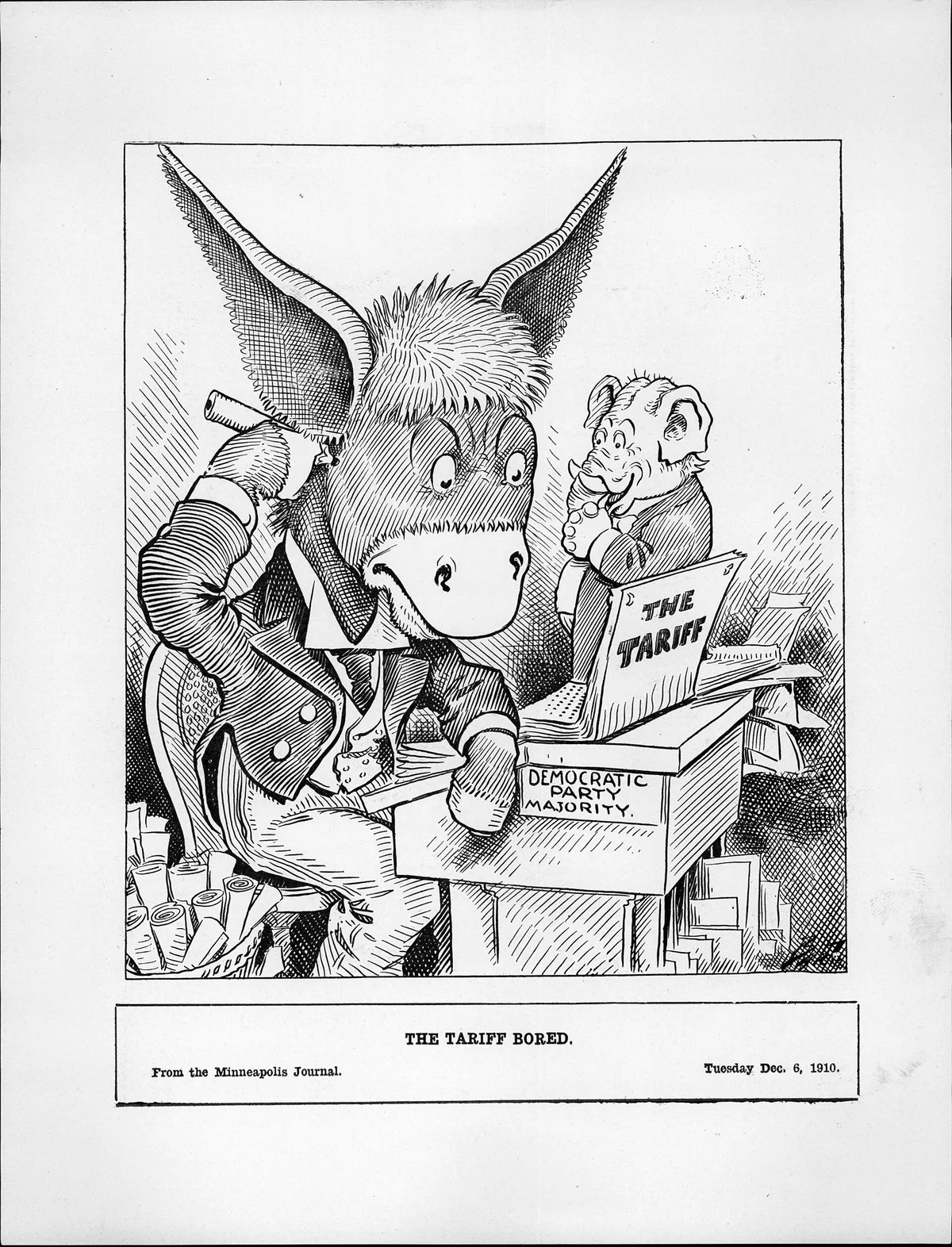
A trade bloc is a group of countries that agree to trade with each other on easier terms than they offer the rest of the world. The promise is simple: fewer tariffs, fewer border delays, more business between members. What the bloc actually delivers depends on which of three forms it takes — a free trade area, a customs union, or a political union.
The difference matters more than it first appears. It decides who sets tariffs, whether goods can pass through a member country without checks, and how much national control members give up. Trade itself is old — Wikipedia's entry on trade traces exchange networks back tens of thousands of years, from obsidian moving across the Mediterranean to the Silk Road — but formal blocs are a modern way of organizing it. This guide walks through each type, what members gain, and what they hand over.
What is a trade bloc, exactly?
A trade bloc is a formal agreement between countries to lower trade barriers among themselves. Trade, in the basic sense, is the exchange of something of value for something else of value, and Wikipedia describes it as a pre-agreed contract between buyer and seller. A bloc scales that contract up to the level of nations.
Blocs exist because trade between regions benefits both sides when each region has a comparative advantage — the ability to produce something at lower relative cost. Wikipedia notes that economists and economic historians consider current levels of trade openness the highest ever recorded, with major increases after 1950 following a collapse during the Depression years. Blocs are one of the main structures that openness runs through.
Not every group of trading partners is a bloc. A one-off trade deal on a single product is not. A bloc is durable, covers broad categories of goods or services, and usually has shared institutions to manage it.
What does a free trade area do?
A free trade area is the loosest form. Members cut or remove tariffs on goods traded between themselves, but each country keeps its own external tariffs toward non-members. If a member wants to charge a high tariff on steel from outside the bloc, it can. Its neighbor inside the bloc can charge a different one.
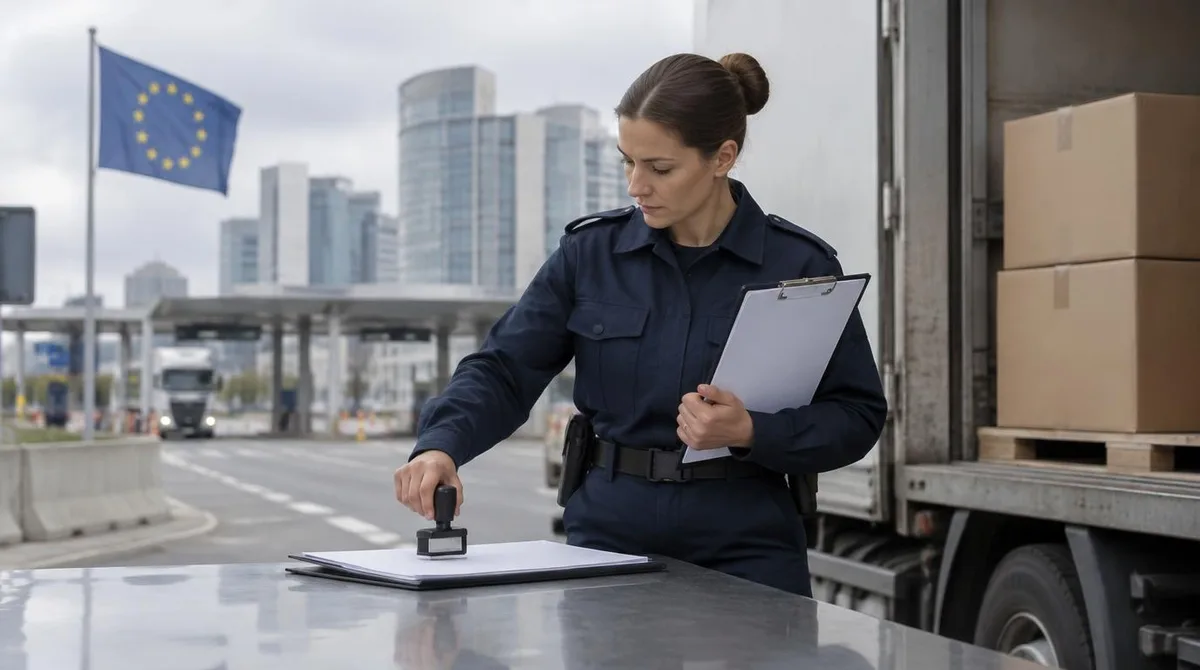
That flexibility creates a known loophole. Goods can enter through the member with the lowest external tariff, then move onward to other members. To manage this, free trade areas typically use rules of origin: paperwork proving where a product was actually made before it crosses an internal border. That paperwork is a real cost, especially for smaller exporters.
For readers, the practical effect is straightforward. A free trade area lowers prices on member goods but does not harmonize anything else. Standards, taxes, and border procedures can still differ from one member to the next.
What makes a customs union different?
A customs union goes one step further. Members remove internal tariffs and adopt a common external tariff — one single set of duties charged on goods entering from outside the bloc, no matter which port they arrive at.
That choice closes the loophole. A product entering any member faces the same tariff, so there is no incentive to route goods through the cheapest entry point. It also removes most rules-of-origin paperwork for goods already inside the union, because anything cleared at the outer border has cleared everywhere.
The cost is sovereignty over trade policy. Members of a customs union generally cannot sign their own tariff deals with outside countries, because their external rates are set jointly. Bargaining power gets pooled — which can mean more leverage in negotiations, but also less freedom to strike a bilateral deal that suits one member alone.
What is a single market?
A single market is deeper still. It treats the whole bloc as one economic territory. Goods, services, capital, and people move freely across internal borders — the four freedoms that deep integration usually targets.
This requires more than tariff removal. Members must align or mutually recognize standards, professional qualifications, and regulatory rules, so a product approved in one country is accepted in all. A single market usually comes with shared institutions: a commission or court with real authority over members, and common rules that apply directly rather than through national law.
The trade-off is explicit. Members accept binding decisions from joint institutions in exchange for seamless access to a larger market. For businesses, that means one set of rules instead of many. For governments, it means less room to regulate unilaterally.
What is a political and economic union?
A political and economic union is the deepest form. Members integrate not just their markets but parts of their governance — shared monetary policy, a common currency in some cases, and coordinated foreign or fiscal policy to varying degrees.
This is rare, because it asks countries to give up tools they normally guard closely. A shared currency means no independent national interest rate. Coordinated fiscal rules can limit national budgets. The gain is scale and stability; the cost is that national governments lose some control over their own economic levers.
The spectrum, then, runs from loose coordination to shared sovereignty. Free trade areas remove tariffs. Customs unions add a common external wall. Single markets erase internal borders for goods, services, capital, and people. Political unions share the machinery of government itself.
Why blocs matter — and what to watch
Our analysis: a bloc's type tells you what it can and cannot do. A free trade area can lower prices but cannot stop members from undercutting each other's external trade policy. A customs union can speak with one voice on tariffs but cannot let a member chase a solo deal. A single market can make cross-border business simple but demands regulatory surrender. When you read about a new trade agreement, the first question is not how big it is — it is which type it is.
What would change the reading: if a bloc shifts type — for example, a free trade area moving toward a customs union — the analysis of its powers changes with it. Blocs are not fixed; they deepen or fray over time.
For readers who want the next layer, the mechanics of individual tools matter too. Tariffs and quotas work differently, as our guide to how tariff schedules decide what you pay explains. And bloc membership itself is not static — how critical minerals agreements reshape trade blocs shows how new supply-chain priorities are redrawing old groupings. The broader field these instruments belong to is covered in our geoeconomics section.
The record on blocs is durable because the underlying logic is: trade openness has risen overall since the 1950s, per the historical account in Wikipedia's trade entry, and blocs are the structures that openness has been built through. What remains unsettled is direction — whether the next phase deepens integration or pulls it apart. Watch the type, not the headlines.