An embassy is a state's primary diplomatic mission in another state's capital, charged with political relations under the 1961 Vienna Convention on Diplomatic Relations. A consulate is a smaller post focused on services to citizens and visas, governed by the 1963 Vienna Convention on Consular Relations. The United States operates about 168 embassies and permanent missions alongside roughly 90 consulates and consulates general, per the State Department's directory — a two-track system where the ambassador talks to the government and the consul general stamps the passports. This explainer covers the division of labor.
What does an embassy actually do?
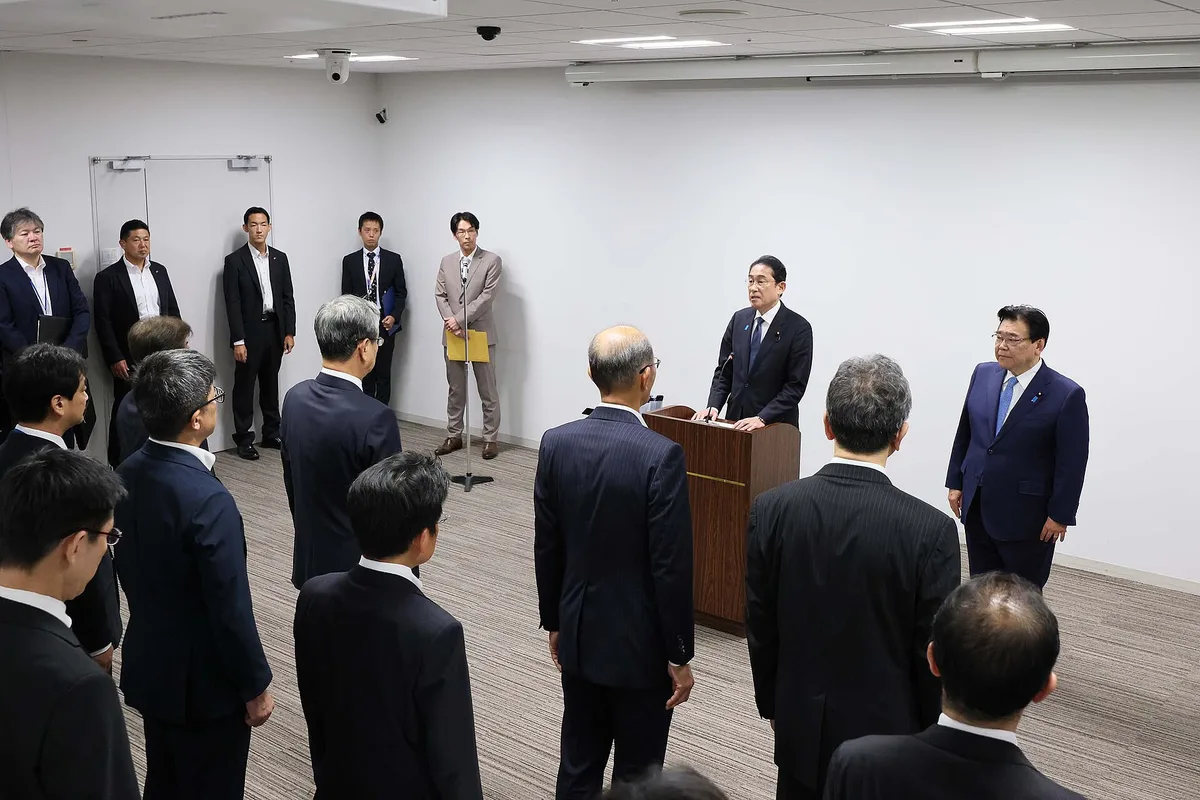
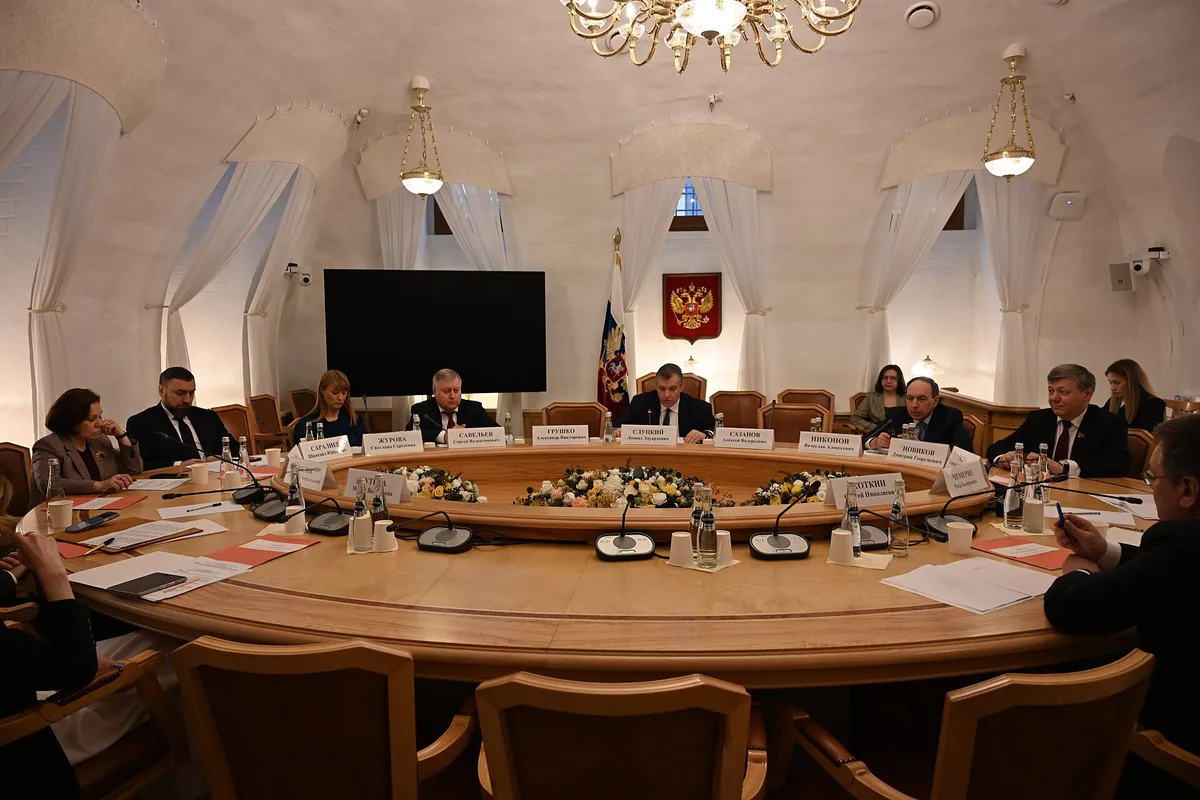
Four things. Political reporting and representation: the ambassador delivers the sending state's positions, negotiates, and reports home — the cable traffic that fills foreign ministries' reading. Policy coordination across the attached agencies: a U.S. embassy typically houses State, Defense, Commerce, Agriculture, Treasury, and Justice elements under the ambassador's country-team authority. Services to the mission's own government — everything from defense attaché liaison to organizing visits. And crisis management for the relationship itself, sanctions messaging to the host, or evacuation planning. The embassy's protection work is state-level: pressing the host when a detained citizen's consular rights are denied.
What does a consulate do?
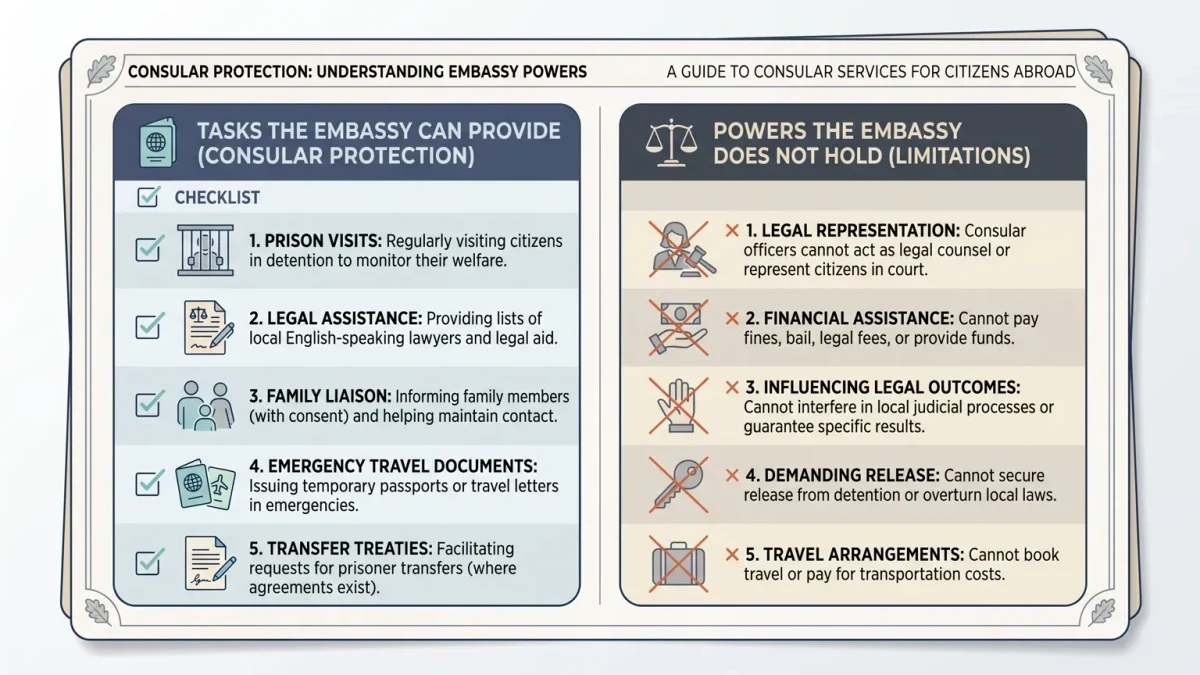
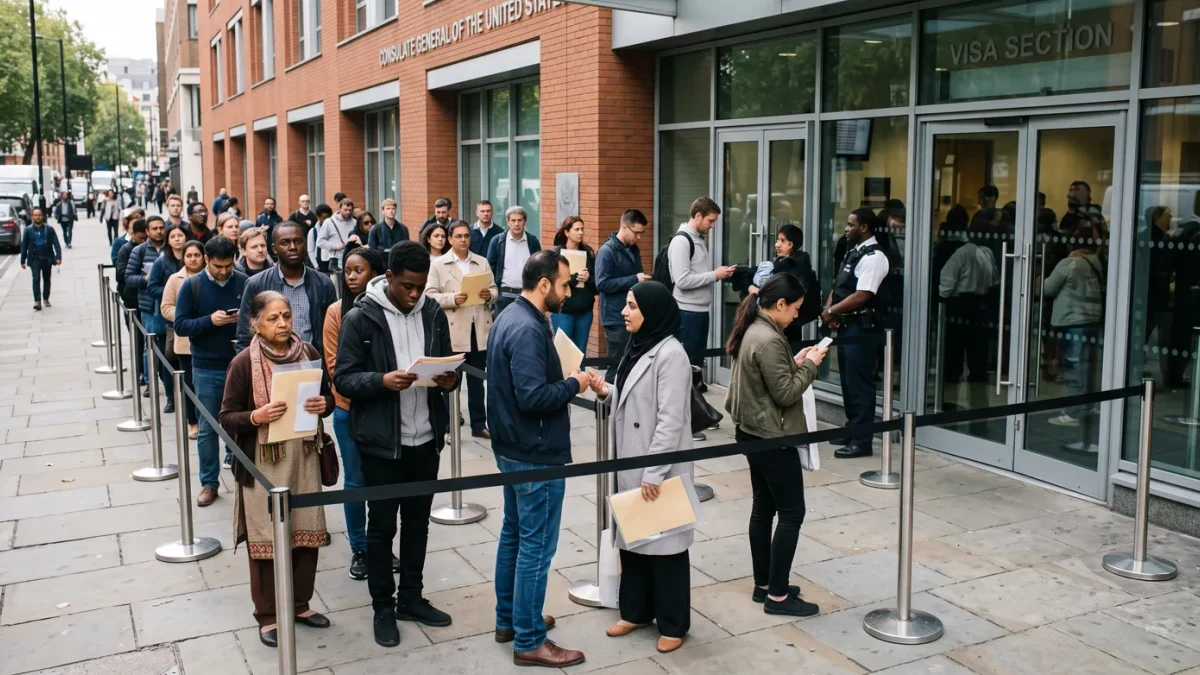
People and documents. Visa adjudication is the largest single workload: U.S. consulates issued about 10.5 million nonimmigrant visas in fiscal 2024, per State Department statistics, with the busiest posts — Mexico City's network, Mumbai, Guangzhou, and Ho Chi Minh City — each processing hundreds of thousands. Add passport renewal and emergency services for citizens abroad, notarials, birth registrations abroad, and emergency assistance: the destitute-citizen loans, the welfare-whereabouts checks, the evacuation logistics that the consular section runs when a country collapses. Consular officers also protect detained citizens under Article 36 of the 1963 convention — the notification right at the center of the Medellín litigation — and their work is deliberately firewalled from the political mission: the State Department's own guidance separates visa adjudication from bilateral bargaining.
How are they structured and ranked?
Embassies are led by ambassadors with full diplomatic rank and immunity; consulates general by career consular officers, sometimes with a resident ambassador's dual-hatted role in smaller capitals. A consulate general reports to the ambassador in-country, but consular and visa decisions are legally the officer's own — an ambassador cannot order a visa issued, which protects the system from becoming patronage. Careers split accordingly: the Foreign Service's consular cone staffs the visa windows early, while the political cone runs the embassy's reporting; both feed the senior ranks. Honorary consuls — private citizens who staff small posts part-time — extend the network to cities too small for a career post.
When do the two collide?
When politics meets paperwork. Visa policy is a standing example: embassies deliver demarches about visa reciprocity and overstay rates while consulates apply the law to individual applicants, and the friction surfaces in reciprocity schedules and travel bans. Evacuations are the reverse: the embassy's political decision to draw down a post puts consular staff on the tarmac processing manifest lists, as Kabul in 2021 and Sudan in 2023 showed — operations where the embassy's status determined what the consulate could attempt. Espionage cases cut across too: diplomatic-cover postings in embassies enjoy full immunity, while consular staff's functional-only immunity makes them the usual casualties of tit-for-tat expulsions.
Why does the distinction matter to anyone outside the system?
Because the service you need depends on the post you contact, and the rules differ. A lost passport is a consulate's job anywhere in its district; a trade dispute is the embassy's economic section; an arrest is consular protection triggered by the 1963 convention's notification duty, which U.S. courts enforced differently after Medellín v. Texas in 2008 — the convention right binds states but is not individually enforceable without implementing law. The analysis: the embassy-consulate split codifies a boundary between the state's voice and the citizen's services that dates to the 1815 Congress of Vienna's separation of diplomatic from consular ranks — old machinery, but the firewall it maintains is what keeps visa windows and emergency services running when relations freeze at the ambassadorial level. What would change the reading is the post-2020 experiment in virtual presence — remote adjudication and interview waivers — cutting the physical consulate network, which the 2024-2025 interview-waiver expansions have begun testing.
Frequently asked questions
Is a consulate the same as an embassy?
No. The embassy in the capital manages political relations under the 1961 Vienna Convention; consulates in major cities handle visas, passports, and citizen services under the 1963 convention. Consulates report to the ambassador but consular decisions are legally independent.
Who do I contact if my passport is lost abroad?
The nearest U.S. consulate or embassy's consular section, which can issue an emergency limited-validity passport same-day. Consular sections also handle notarials, birth registrations abroad, and emergency loans to destitute citizens.
Can an ambassador order a visa approved?
No. Visa adjudication is the individual consular officer's legal decision under the Immigration and Nationality Act, deliberately firewalled from the mission's political bargaining. Rejections are reviewable only through the department's own processes.
What happens to consulates when relations break?
Posts close or convert to interests sections run through a protecting power — as the U.S.-Iran arrangement through Switzerland since 1980 shows. Consular functions for citizens continue through the protecting state's good offices.